
Rooted Blog

Let’s Talk About Thyme
To kick off our series on herbs, let’s talk about thyme — a prized and popular herb native to the European shores of the Mediterranean — whose name is derived from the Greek word thūmós, meaning "spirit". This versatile herb has been used for its medicinal, spiritual, and culinary benefits for thousands of years. It offers a variety of benefits from all of its plant parts — stems, leaves and flowers.

Photo by Britany Beryl
The fundamental drivers behind our food philosophy at Golden Roots Kitchen are flavor, quality, and intention. We strive to deliver fresh, seasonal offerings that incorporate a variety of ingredients—inspired by international cultures and cuisine. Fresh herbs and spices are integral to the creative process behind nearly every dish on our menu. Not only do herbs and spices bring abundant flavor to our food, but they also have important properties that contribute to our well being. Knowing that what you’re eating is creating well-being within you is an important step in living a holistic life. With this understanding, we are using our training, plus a little research, to delve deeper into the traditional uses, medicinal properties, and nutritional benefits of some of the most beloved herbs in the plant kingdom.
To kick off our series on herbs, let’s talk about thyme — a prized and popular herb native to the European shores of the Mediterranean — whose name is derived from the Greek word thūmós, meaning "spirit". This versatile herb has been used for its medicinal, spiritual, and culinary benefits for thousands of years. It offers a variety of benefits from all of its plant parts — stems, leaves, and flowers.
Nutritional Value
The leaves from thyme pack a punch with an abundance of vitamins and minerals. Listed below are a variety of ways in which this herb can support the body for optimal health. It’s not hard to be awestruck reading them all — amazing to think about all these functions happening (we hope seamlessly) all the time!
Calcium — vital for strong bones and teeth, supports the nervous system, and is crucial for muscle growth and contraction
Iron — essential for red blood cell formation, and forms an essential part of many enzymes
Manganese — supports the nervous and immune systems, and regulates blood sugar
Magnesium —essential for protein synthesis, bone formation, nerve transmission, metabolism of carbohydrates and minerals, and helps form hard tooth enamel
Potassium —an important component of cell and body fluids that helps control heart rate and blood pressure
Selenium — a vital antioxidant, essential for pancreatic function and tissue elasticity
Vitamin-A — a catalyst for innumerable biochemical processes, an antioxidant that protects the body from harmful pollutants, stimulates gastric juices crucial for protein digestion, helps build strong bones and blood, and plays a role in RNA production
Vitamin-K —needed for blood clotting and bone formation
Vitamin-E — crucial for circulation, tissue repair, and has anti-aging properties, as it can deactivate free radicals
Vitamin-C — helps the body battle against harmful agents, assists in collagen production, tissue growth and repair, and adrenal function
Medicinal Uses
Wow — who would have guessed thyme was such a superstar? It’s no wonder it has been utilized as a healing remedy for treating respiratory infections such as bronchitis, sore throat, and dry cough. Thyme is a powerful cough suppressant, expectorant, and antispasmodic. This potent herb is rich in plant phenols, thymol, and carvacrol — active antimicrobial agents — that gently soothe and aid in healing the bronchial tract by thinning mucus and combating bacteria so it can be expelled. These antimicrobial agents also have been used to treat ailments in the mouth such as canker sores and bad breath. Fun fact: Thymol is an active ingredient in many mouthwashes!
Thyme has also been used traditionally as a digestive aid to relieve intestinal cramping, indigestion, bloating, and gas. Thymol stimulates contractions of smooth muscle tissue along the digestive tract so that food is not sitting in the stomach for an extended amount of time. The antimicrobial agents present in this herb also help support a healthy balance of beneficial gut bacteria.
Aromatherapy
For a quick mood booster, try diffusing thyme essential oil for a sense of aromatic euphoria. This oil has been found to boost neurotransmitters dopamine and serotonin — the “happy chemicals” that regulate mood, sleep, pleasure, motivation, drive, pain response, and digestion. Greeks and Romans burned this sacred herb as an incense, as it was thought to improve clarity and strength in the mind, as well as clear the air of illnesses. Consuming this herb regularly or diffusing the essential oil is thought to promote relaxation and overall well-being!
Thyme in the Kitchen
Thyme has been a staple in the culinary world for centuries — and one you can be sure to taste in many GRK offerings — used in both raw and cooked form. Beyond the traditional and medicinal uses, it has been used simply to enhance flavors in many global cuisines. Thyme has an earthy and gentle flavor — with minty, and lemony tones. This pungent herb pairs with many foods including — poultry, beef roast, lamb, dairy, eggs, and tomatoes, as well as seasoning for soups and sauces. You’ll find thyme spotlighted in many of our dishes here at GRK — like our Lemony Thyme Yogurt, Sweet Potato and Leek Frittata, Basil and Thyme Balsamic and our Roasted Young Carrots.
As flavor fanatics, we are inspired by the many ways to incorporate these true gifts from nature into our dishes. We encourage you to get creative and experimental with herbs and spices when cooking at home. Buying a different herb or two on your next market trip will make a huge difference in improving the flavor and nutrient profile of the simplest meal. If you can, nurturing your own herb garden can become a great pleasure and tool for your health.
Tips from the Chef
Use three times more herbs than you think you’ll need. Your taste buds and your body will thank you. We learned to use heaps of herbs instead of pinches from London’s famed Yotam Ottolenghi. If you want to learn to use more herbs, all of his cookbooks are worth checking out. Plenty More and Jerusulum are great places to start. You’ll recognize the inspiration for many of our GRK staples!
Fresh herbs should be added after your meal is finished cooking. This protects the heat sensitive vitamins in them and flavor. Dry herbs, which will have lost their vitamins, but retain their valuable minerals, should be used early in cooking to help open their flavor.
Wishing you wellness, always,
Mary and Melanie
Mary Smith has her Bachelor’s of Science in Nutrition and Food Science, and serves as GRK’s in-house nutrition expert.
Melanie is the owner and head Chef of Golden Roots Kitchen and graduate of the Bauman College, Natural Chef program.
Brittany Cole is a photographer based in Santa Cruz, CA; you can find her work here.
For more information, check out the following sources:
Nourishing Traditions: The Cookbook that Challenges Politically Correct Nutrition and the Diet Dictocrats by Sally Fallon
“Thymol, Thyme, and Other Plant Sources: Health and Potential Uses - Salehi - 2018 - Phytotherapy Research” Phytotherapy Research, John Wiley & Sons, Ltd, 22 May 2018.

The Hidden Magic of Leafy Green Vegetables
Leafy green vegetables are a food that we can all benefit from adding to our plates—and at GRK you will be sure to find greens galore in many of our summer offerings. Leafy greens are a nutritional powerhouse—promoting healthy skin, normalizing blood pressure, supporting bone and muscle health, improving digestion and elimination, and so much more.

GRK Sprouted Peanut Lime Slaw with Red and Green Cabbage.
As we dream up dishes and think about the quality of food we want to serve here at Golden Roots Kitchen—we’re considering a variety of factors. And while taste may feel like the most important component of any dish, we like to think that we value it equally with a consideration of nutrient density and overall health impact.
Leafy green vegetables are a food that we can all benefit from adding to our plates—and at GRK you will be sure to find greens galore in many of our summer offerings. Leafy greens are a nutritional powerhouse—promoting healthy skin, normalizing blood pressure, supporting bone and muscle health, improving digestion and elimination, and so much more. On a micro level, these gems are packed with a variety of vitamins and minerals that support many of our body’s systems. They’re also packed with insoluble fiber—feeding the friendly bacteria in the gut, and promoting a healthier digestive system.
Leafy greens are extremely versatile and can be used and consumed in a number of ways, making them an easy add-on to nearly any dish. We selected a few of our GRK favorites to highlight, to show the care we take in pairing and selecting ingredients. We can assure you that cabbage slaw is not just for looks or garnish!

GRK Tuna Salad on a bed of Butter Lettuce and shredded Little Gem.
Romaine lettuce is well known, as it is a staple ingredient in a traditional Caesar Salad. This lettuce is sure to add a variety of flavor and texture to any salad—with juicy, refreshing stems, and crisp leaves. In addition to being a GRK favorite, romaine packs a punch with an array of nutrients such as vitamins A and C (powerful antioxidants that protect the body against pollutants and free radicals), vitamin K (essential for bone health and blood clotting), and folate (essential for converting carbohydrates into energy, and red and white blood cell production).
The name Little Gem suits this delectable leafy green quite perfectly—a treasure in its nature. Don’t let these “little gems” fool you, because they offer quite a lot in terms of nutritional benefit! Little Gem lettuce is a cross between romaine and butter lettuce—creating a luscious, buttery, and crisp green. Like romaine, this green is packed with vitamins A, C, K, and folate, as well as minerals phosphorus, potassium, calcium, and magnesium.
Arugula—universally known as rocket—is part of the brassicae family, and is well known for its delicate and peppery nature. In the kitchen we love using baby arugula—leaves harvested early for a more delicate and mild flavor. Eating bitter greens, such as arugula, kale, and dandelion, are a sure fire way to kickstart your digestive system. The peppery flavor of these greens activates the taste buds, while stimulating enzymes —promoting healthy digestion and absorption of nutrients. In addition to being a digestive wonder, arugula is similarly packed with vitamins A, C and K, as well as folate and calcium.

GRK Caesar Salad featuring Baby Kale.
Kale is often considered a “superstar” in the world of leafy greens. As another member of the brassicae family, it shares many of the same nutritional properties as arugula. Kale is found in a variety of shapes, sizes, and colors—from dinosaur, to curly, purple, baby, and many more. You’ll often find kale incorporated in many of our dishes here at GRK—from simple salads, to soups, and even in our frittatas.
And lastly, cabbage—another brassicae family member—is a favorite worldwide, as well as in the GRK kitchen. Cabbage is found in several varieties—red, green, savoy, napa, and bok choy to name a few—and can also be consumed in a myriad of ways. Think soups, stir fries, slaws, salads, sauerkraut, and more! Cabbage is extremely rich in vitamin C—a powerful antioxidant—which is necessary for a host of processes in the body: tissue growth and repair, adrenal gland function, formation of collagen, and wound healing. Cabbage is also a good source of potassium, magnesium, and calcium.
As true lovers of leafy greens and the bevy of benefits they provide, we will continue to work on finding creative ways of incorporating these nutritional giants into our dishes. We also find that many of our GRK main dishes and sides work well supplemented by a simple bed of fresh or sautéed greens—like our Black Bean & Buckwheat Burgers, or any of our signature frittatas. We always recommend keeping the fridge stocked, for such an occasion! :)
Wishing you wellness, always,
Dena & Mary
Dena Zlotziver, M.Ed., is a teacher, writer, and member of the kitchen staff at Golden Roots Kitchen.
Mary Smith has her Bachelor’s of Science in Nutrition and Food Science, and serves as GRK’s in-house nutrition expert.
Brittany Cole is a photographer based in Santa Cruz, CA; you can find her work here.

Embracing Raw Foods & Seasonal Spring Veggies
Spring is in full swing and many of us have been feeling the heartiness of winter shedding from deep within—as the lightness of spring prepares to carry us forward. Spring is a time where we intuitively steer towards lighter foods—like vibrant, crisp, and refreshing raw fruits and vegetables. This shift in energy makes spring the perfect time of year to cleanse our digestive systems!

Spring is in full swing and many of us have been feeling the heartiness of winter shedding from deep within—as the lightness of spring prepares to carry us forward. Spring is a time where we intuitively steer towards lighter foods—like vibrant, crisp, and refreshing raw fruits and vegetables. This shift in energy makes spring the perfect time of year to cleanse our digestive systems!
A diet composed of both cooked and raw foods is important for optimal digestive health. Foods in their raw, whole form present ample amounts of vitamins, minerals, and enzymes essential for many functions in the body. However, some nutrients—such as water soluble vitamins and enzymes—may be deactivated when exposed to heat. Consuming foods in their raw state alongside a nutritious cooked meal is a sure way to boost digestion, as well as to cleanse and detoxify the body to prepare for the heat of the summer.
We find great joy in browsing the farmers’ markets this time of year (we love our Santa Cruz Farmers’ Markets!) for local produce galore—this is a great way to recognize what’s in season, and to connect with your food and it’s source. Now is the time to load up on vibrant leafy greens such as arugula, chard, collards, kale, dandelion, lettuce, and spinach—greens we try to feature often in our dishes, particularly during this time of year. The markets also bring us an abundance of other beautiful spring fruits and veggies like onions, snap peas, fennel, radish, asparagus, peaches, cherries, strawberries and apricot. To add some extra flavor to your springtime fare, try snipping some fresh herbs like chives, tarragon, mint, and dill—all lovely additions to a fresh seasonal salad!
At Golden Roots Kitchen, we are dedicated to crafting seasonal offerings. We highly recommend that you personalize your cooked GRK meals by adding an array of raw, seasonal fruits and veggies as accompaniments. An easy way to do this is to add a handful of leafy greens to supplement your cooked GRK dish. Or, perhaps pairing one of your favorite cooked proteins with one of our raw dishes or salads—like this week’s Zucchini Salad with Arugula, Mint, and Lemon. In a pinch, we love drizzling some greens with extra virgin olive oil, lemon juice, and topping with fresh stone fruit we picked up at the farmers’ market—think peaches or nectarines!—for a refreshing bite.
We’re certainly inspired by all of the newness that this season provides—and hope you are too! Take a Saturday or Sunday and venture to your local markets to revel in all of the beautiful produce spring has to offer, and then have some fun in the kitchen! And of course, let us know how we can help you supplement all of your continued culinary adventures :)
Wishing you wellness, always,
Dena & Mary
Dena Zlotziver, M.Ed., is a teacher, writer, and member of the kitchen staff at Golden Roots Kitchen.
Mary Smith has her Bachelor’s of Science in Nutrition and Food Science, and serves as GRK’s in-house nutrition expert.

Spring Reset: An Interview With Dr. Rachel Farber
This week, we had the pleasure of speaking with Dr. Rachel Farber—a licensed acupuncturist (L.Ac), who has been serving Santa Cruz and the greater Bay Area for 20 years. Over the years she has specialized in healing eating disorders and depression through her work, yet more recently her research has focused on autoimmune disease.

This week, we had the pleasure of speaking with Dr. Rachel Farber—a licensed acupuncturist (L.Ac), who has been serving Santa Cruz and the greater Bay Area for 20 years. Over the years she has specialized in healing eating disorders and depression through her work, yet more recently her research has focused on autoimmune disease.
In Chinese Medicine an overall healthy diet is the foundation for full-system wellness. Rachel is a firm believer in using food as medicine—as each individual ingredient has its own unique medicinal properties. Dr. Farber also incorporates bodywork and acupuncture into her treatments, maintaining an emphasis on nutrition and herbs to support holistic health and well-being. Rachel has carefully crafted 21-day seasonal resets that help guide participants to their healthiest, most energetic selves by diving into habits and patterns that may be holding them back from fuller health and wellness. The reset gives the opportunity for individuals to listen in on the body and better understand their individual needs for a longer term shift in all aspects of self-care.
Mary, our in-house nutritionist, had the opportunity to speak with Dr. Farber about her philosophy around and approach to seasonal diet resets. We also learned a great deal about the many benefits to be had by taking the time to slow down, reconnect, and make some shifts as we move into a new season—we hope you find the conversation illuminating!
Mary: What are some of the benefits of completing a seasonal diet reset? Is this something that you recommend before each seasonal shift?
Dr. Farber: Many people who have done the reset tend to come back each time it’s offered to tighten up the loose ends. By clearing out the excess, it enables us to really listen in more deeply to what our bodies are asking for. Resetting at the beginning of each season is a great way to take a couple of weeks to give the digestive system some deep nourishment and rest.
Mary: What is your philosophy around “resetting” vs. dieting, or more restriction-oriented approaches?
Dr. Farber: A reset is focused on all aspects of self care such as: sleep, gut health, mental health, meditation, yoga, and decluttering. We want to think of integrating all of the good things that allow us to thrive before taking things out. The reset is heavily focused on supporting the gut microbiome by bringing in healthy gut flora and having a healthy diet that feeds that good bacteria. In Chinese Medicine we look at the body as an ecosystem, and we want to support the digestive system to function at its maximal energy. When the digestive system is functioning at its best, the rest of the systems will function properly. I’ve found for myself, and many of my clients, that a moderate approach that involves listening to your own needs is the best long-term approach.
Mary: Doing a larger scale reset may feel like too much of a commitment, or may feel too overwhelming to some people. What are some small steps or recommendations that you have for people hoping to integrate a few simpler shifts as we move into spring?
Dr. Farber: I like people to focus on four simple pillars to reset: eat four cups of vegetables a day, focus on hydration, breathwork, and sleep. During spring we focus on incorporating more leafy greens such as dandelion, chicory and kale.
Mary: Do you recommend any preparation before beginning a reset?
Dr. Farber: Begin by clearing out your pantry and shopping for fresh exciting foods. Start letting go of the things that no longer serve you in your home, and bring in things that will nourish you. You can also prepare by using the workbook provided through my program, and by setting an intention—asking yourself, “how do I want to feel in 3 weeks?”
Mary: What are some releases—emotional, physical, and mental—to expect for someone who has never gone through a reset?
Dr. Farber: We go through the world holding our habits as security blankets, and when we face letting go of the things that bring us comfort—or the illusion of comfort—it can feel scary. Some may find themselves feeling raw, cranky, and irritable. Fear can crop up from the comforts we've kept for a long time as we shed through layers. This typically doesn't last more than 3-5 days and often by the sixth day, people feel amazing. The reset really focuses on letting go of shame and simply acknowledging where you are on your journey.
Mary: Can you give a brief overview of what each week of the reset looks like?
Dr. Farber: The program is broken down into three phases. Week One: Reset; this covers the mechanics of what to eat and what not to eat. Week Two: Restore; we delve into the effects that sleep, caffeine, alcohol, and sugar have on the body, as well as suggestions for any challenges. Week Three: Revitalize; foundations of the Reset and Chinese Medicine.
I provide a 40 page “Thrival Guide” with research and information in Traditional Chinese Medicine theory, healing intestinal permeability, and adrenal hormone imbalances—this also includes a shopping list and recipe guide. I provide an option to be a part of a private Facebook group to connect with others participating in the cleanse. And there will be weekly interactive webinars where people can ask any questions.
Mary: For those who may be concerned with any extra time demand that goes into participating in the reset, what is your advice?
Dr. Farber: Golden Roots Kitchen sure is helpful! Setting aside some weekly time for veggie prep will also be very important and helpful, so there’s always something to grab!
If you’re interested in participating in Dr. Farber’s Spring Reset (link below), it runs from this coming May 2-22. Rachel will still be accepting participants through the first few days of the program.
25% Off Reset With Code: GOLDENRESET25
https://rachelfarber.com/reset/
Wishing you wellness, always,
Dena & Mary
Dena Zlotziver, M.Ed., is a teacher, writer, and member of the kitchen staff at Golden Roots Kitchen.
Mary Smith has her Bachelor’s of Science in Nutrition and Food Science, and serves as GRK’s in-house nutrition expert.

GRK’s Sprouted Grain & Seed Bread: The Benefits of Soaking & Sprouting
One of our most popular items at Golden Roots Kitchen is the Sprouted Grain & Seed Bread that we have on weekly rotation. From week to week you’ll find variations of this GRK favorite—ranging from last week’s sweeter Cranberry Walnut Sprouted Oat & Seed Bread, to the more savory Sprouted Oat & Seed Bread with Fresh Onion and Dill.
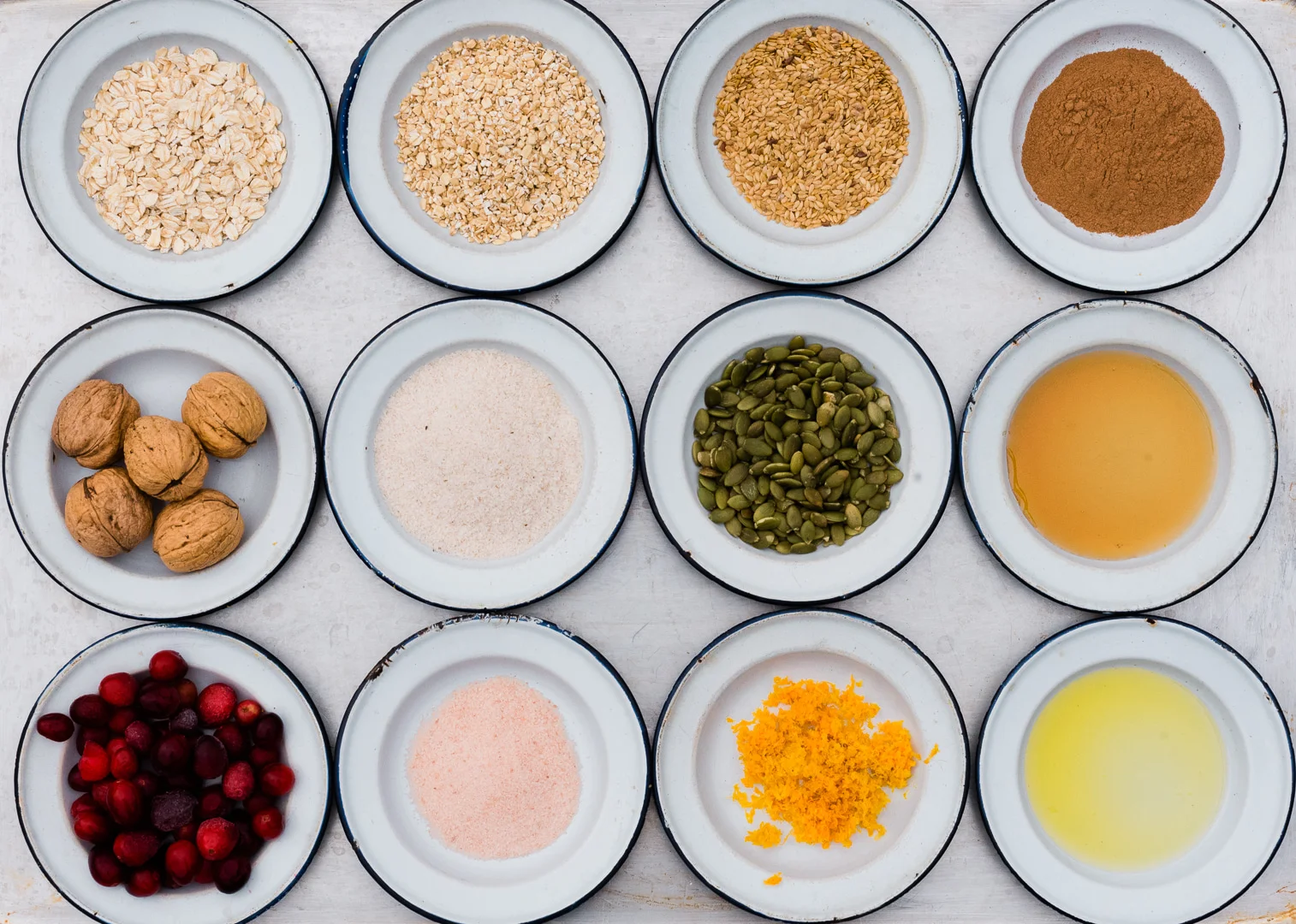
One of our most popular items at Golden Roots Kitchen is the Sprouted Grain & Seed Bread that we have on weekly rotation. From week to week you’ll find variations of this GRK favorite—ranging from last week’s sweeter Cranberry Walnut Sprouted Oat & Seed Bread, to the more savory Sprouted Oat & Seed Bread with Fresh Onion and Dill.
As with all of our dishes, the bread is gluten-free. However, you’ll find that the bread is considerably different from the majority of GF breads you’ll find on the shelves or in the freezers of your local market. We rely on a heartier base of oats, seeds, and whole grains—and avoid using flour blends entirely. In doing this, we aim to create a loaf of gluten-free bread that is not only delicious, but also remains incredibly nutrient-dense.


Soaking and sprouting our ingredients before baking is integral to the process of making our denser loaves easier to digest and more bioavailable (bioavailability = the degree to which nutrients are more readily absorbable or available to the body). Here’s a super-scientific breakdown—stick with us!—of the WHY behind our process of soaking and sprouting:
Phytic acid is a naturally occuring anti-nutrient (compounds in food that interfere with nutrient absorption) found in high concentrations in grains, nuts, seeds and legumes—all major players in several GRK dishes! Phytic acid stores phosphorus (used with calcium to help build healthy bones) in the seed until the conditions are appropriate for sprouting and growth. When phytic acid is tightly bound to phosphorous, it is not readily available for absorption. And when phytic acid is left untreated, it also binds to other minerals such as magnesium, calcium, copper, iron, and zinc—causing these to also become unavailable for absorption, which can potentially lead to mineral deficiencies. Over time, high consumption of anti-nutrients can lead to digestive discomfort because it inhibits enzymes necessary for the breaking down of proteins and complex sugars.
Soaking and/or sprouting nuts, seeds, grains and legumes in water with an acid medium such as lemon, apple cider vinegar, or whey activates enzymes and other helpful organisms to break down and neutralize phytic acid—in turn allowing nutrients to become more readily available for absorption. Sprouting grains activates the enzyme phytase, which dissolves phytic acid and releases beneficial minerals stored in the seed. Sprouting also neutralizes enzyme inhibitors in seeds that can neutralize our own digestive enzymes.
Consuming sprouted grains should be a routine feature of the diet. At Golden Roots Kitchen we use careful preparation techniques to reduce the amount of phytic acid in our foods, to allow for better absorption of nutrients, and digestive comfort for all. While we carefully craft our bread with nutrient dense-ingredients, we want to ensure our patrons are actually able to enjoy all of its nutritional benefits!

For example, last week’s bread showcased a blend of steel cut and rolled oats, psyllium husks, chia, and flax seeds. These ingredients offer a boost of both soluble and insoluble fiber—promoting good gut health, stabilized blood sugar, and a healthy immune response. Chia and flax seeds contain high amounts of Omega-3 fatty acids, which support heart and brain health. Other important nutrients found in seeds such as vitamin C, B2, B5 and B6, as well as carotene (a precursor to vitamin A), are also increased during the sprouting process.
We know some of this info can feel a little dense—pun intended!—but we hope it helps you to understand more of our process and why we put so much extra time and care into our bread at GRK. From conception to execution, we truly strive to create a bread that’s packed with nutrients, easily digestible—and most importantly—delicious!

Cranberry Walnut Sprouted Oat & Seed Bread
Wishing you wellness, always,
Dena & Mary
Dena Zlotziver, M.Ed., is a teacher, writer, and member of the kitchen staff at Golden Roots Kitchen.
Mary Smith has her Bachelor’s of Science in Nutrition and Food Science, and serves as GRK’s in-house nutrition expert.
For more information, check out the following sources:
Nourishing Traditions: The Cookbook that Challenges Politically Correct Nutrition and the Diet Dictocrats by Sally Fallon
https://www.westonaprice.org/health-topics/vegetarianism-and-plant-foods/living-with-phytic-acid/